Made to order, never to landfill
Black Thread Society is a British label making oversized tees and hoodies for the alternative crowd — printed on demand, one piece at a time, so nothing gets made that nobody wants.
Fashion makes too much
Most clothing is made in advance, in bulk, on a guess. To get the price per piece down, brands order thousands of units of every design, in every size — long before anyone has said they want it. That is overproduction, and whatever doesn't sell becomes deadstock: marked down, shredded, burned, or pressed into bales and sold on.
A large share of the world's unwanted clothing is exported as “second-hand” to markets in West and East Africa, where traders buy the bales unseen and hope there's something in them they can sell. In Ghana people call these clothes obroni wawu — “dead white man's clothes”.
What can't be sold has to go somewhere. In Accra it piles up in open dumps, on beaches and in the Korle Lagoon, where textiles float, sink into the sediment and break down into microfibres. Most modern clothing is part polyester — plastic — so it doesn't rot away; it just gets smaller.
Campaigners have a name for the whole system: waste colonialism. Richer countries overproduce and overconsume, and poorer ones are left to deal with the rubbish. We didn't want to start a label that adds to it.
Printed ondemand
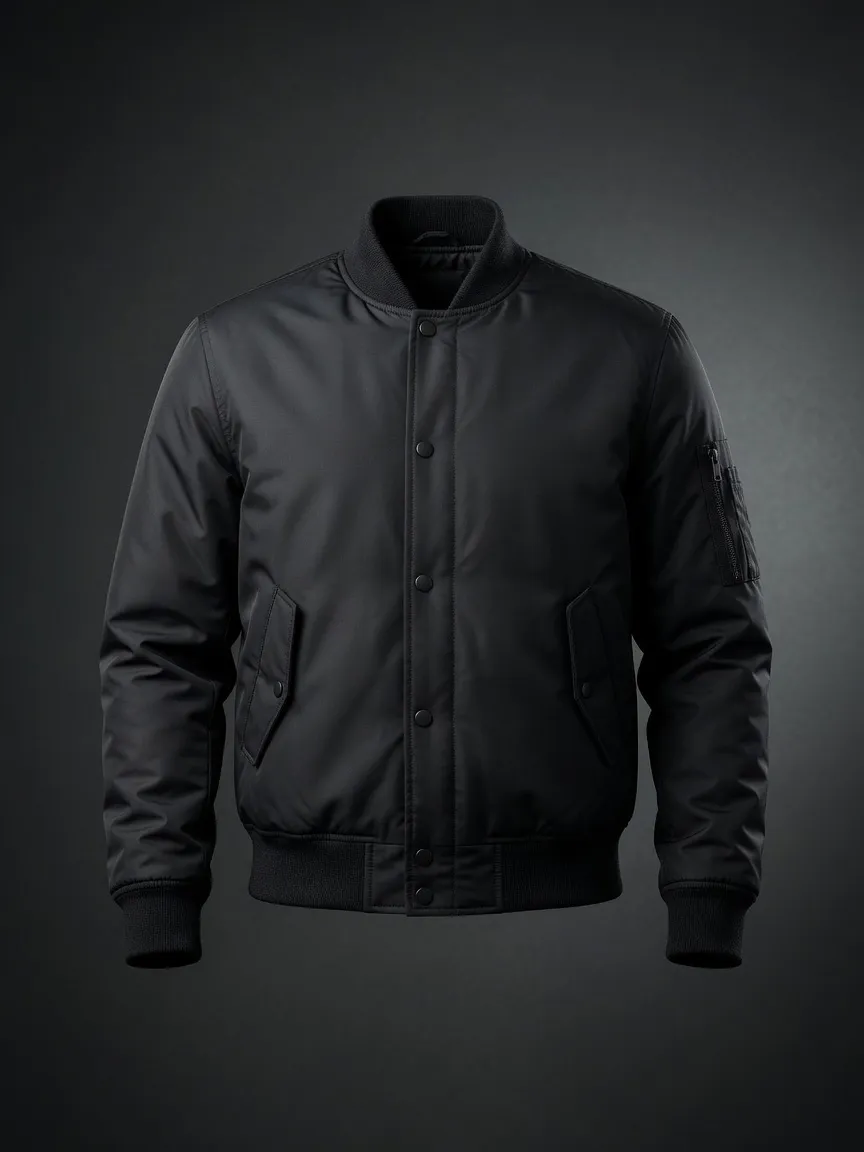
We don't make stock. Every Black Thread Society piece is made to order: it's printed only after you buy it, by our print partner, then sent straight to you. No minimum runs, no warehouse full of guesses, no end-of-season clearance.
If a design doesn't sell, it simply never gets made — nothing is binned, burned or baled up and shipped overseas.
- Zero deadstock. We hold no unsold inventory.
- No overproduction. One order, one garment.
- Nothing dumped. No clearance bales, no landfill of last season's designs.
- Room to take risks. We can release a design without betting thousands of units on it.
It isn't perfect. Every garment still takes cotton, water and energy to make, and delivery has a footprint. But only making what's been ordered is the biggest single cut a small label can make.

“If you think Off-White's too expensive, that's great. You're supposed to make your own T-shirt brand. It's meant so that you start the competing brand that's better than Off-White.”
We took that literally. Don't just buy the thing — go and make your own. So we did.
That line is the brief behind every design here: make the piece you wish existed, put it out there yourself, and make it good enough to stand next to anything.
Clothes we'dwear ourselves
We design the oversized, relaxed tees and hoodies we actually live in — boxy, dropped-shoulder fits with room to move, in black or white, XS to XXXL, because the alternative crowd comes in every size.
Skulls, skeletons and irreverent graphics: designs we would wear ourselves, not what a trend report says people want to buy. If we wouldn't wear it, it doesn't get printed.
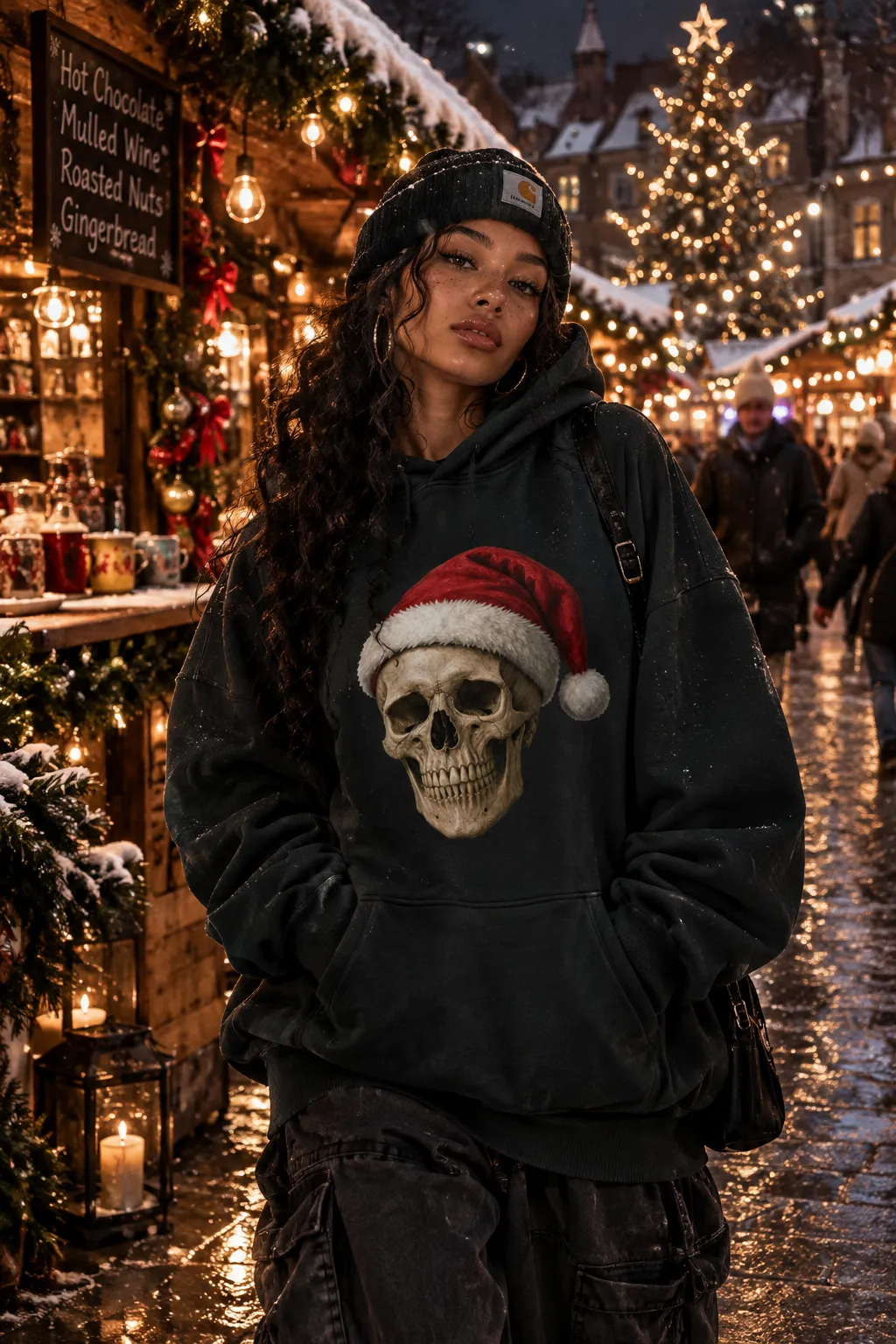
Orders are taken on this site and fulfilled from the United Kingdom. Questions go to admin@blackthreadsociety.uk or the contact form.
Sources: Ellen MacArthur Foundation, A New Textiles Economy (2017) · The Or Foundation — Kantamanto research · One Earth on the Korle Lagoon · Fashionista, Virgil Abloh at Apolis (Nov 2016)